25 September 2026
Thai-Inspired Drunken Noodles for Easy Entertaining
Presented by @zanderyffb237
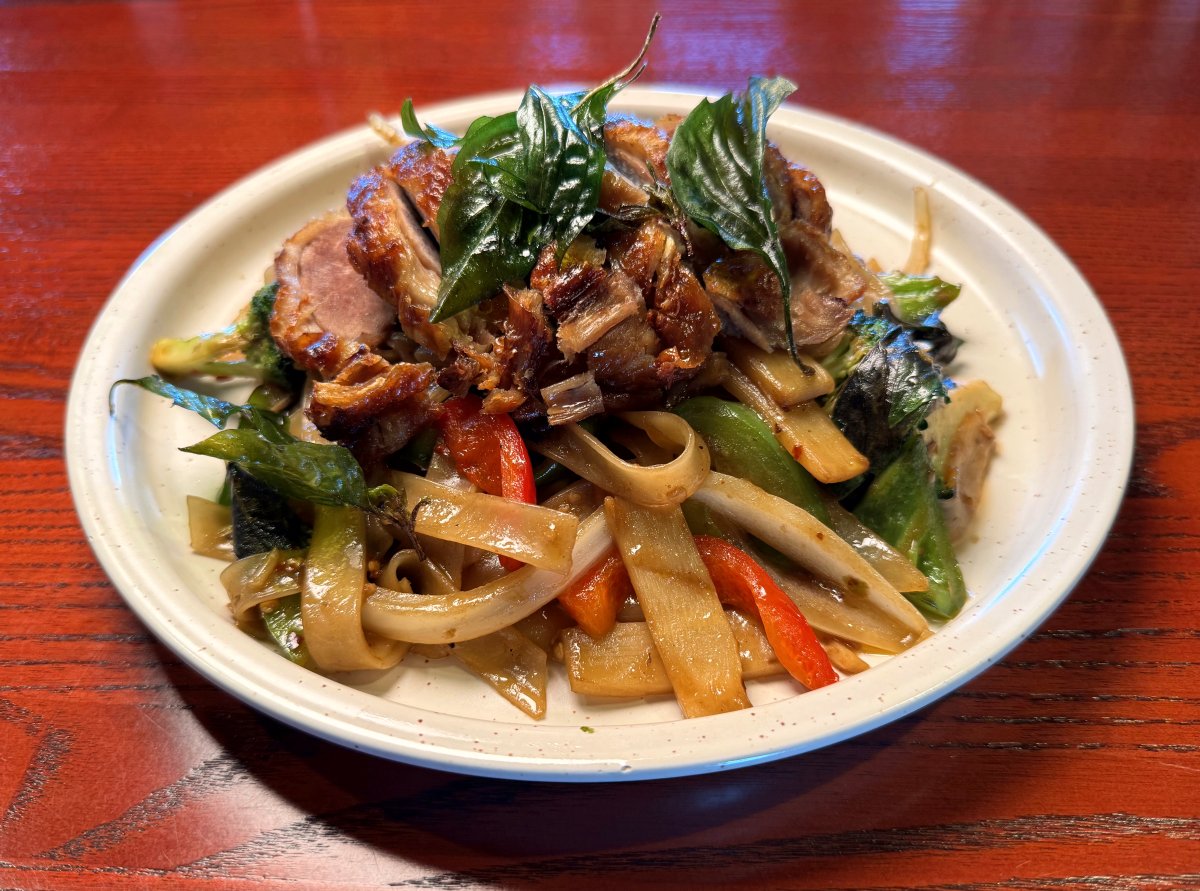
There are dishes that taste good, and then there are dishes that quietly solve the whole evening. Thai-inspired Drunken Noodles belong in the second category. They hit the sweet spot for entertaining because they feel generous, aromatic, and a little dramatic when they land on the table, yet they do not demand the last-minute panic that so many dinner party recipes create. You get heat, chew, char, basil perfume, and a glossy sauce that clings to every ribbon of noodle. Guests tend to go silent for the first few bites, which is usually the best compliment a host can get.
The name alone invites conversation. Drunken Noodles, often associated with pad kee mao, have that appealing mix of comfort and swagger. In practice, what makes them especially useful for hosting is not some mysterious restaurant trick. It is their flexibility. The noodles can carry chicken, shrimp, beef, tofu, or a combination. The vegetables can shift with the season or with whatever looks best at the market. The sauce can lean sweeter, saltier, or hotter depending on who is coming over. The dish feels expansive rather than rigid, and that is exactly what makes it dependable when you are cooking for other people.
I have served versions of these noodles in a cramped city apartment for six, in a backyard setting for ten, and once for a family dinner where three spice tolerances had to coexist at the same table. Each time, the same principles mattered more than any exact formula: use wide noodles if possible, build a sauce with enough backbone to stand up to the starch, cook hot and fast, and keep the basil fresh so it perfumes the entire room when stirred in at the end.
Why Drunken Noodles work so well for guests
A good entertaining dish should buy the cook some breathing room. Drunken Noodles do that in several ways. The prep is front-loaded, which means the busiest work happens before anyone rings the bell. Aromatics can be chopped, vegetables sliced, protein marinated, and sauce mixed ahead of time. Once you start cooking, the actual stir-fry moves quickly. That speed is an advantage if you know how to stage it.
The texture also works in your favor. Unlike delicate fish or a perfectly pink steak, noodles are forgiving. They do not collapse the second they leave the stove. They stay appetizing for a reasonable serving window, especially if the sauce is balanced correctly. That matters when one guest is still refreshing their drink, another is asking where you bought the serving bowl, and someone else has wandered into the kitchen to “help.”
Then there is the flavor architecture. Good Drunken Noodles are layered, not merely spicy. Soy sauces bring salinity and color. Oyster sauce contributes body and a quiet savory sweetness. Fish sauce adds depth and the kind of complexity that people often notice without being able to name. Chilies bring sharp heat. Garlic wakes everything up. Basil provides lift at the very end, so the dish does not feel heavy or muddy. It tastes vibrant, which is what makes it party food rather than just weeknight fuel.
The character of the dish
Thai-inspired is a useful framing here because home cooks outside Thailand are often working with what they can find. Traditional versions vary, and ingredients are shaped by region, preference, and availability. That is worth acknowledging, especially with a dish that so many people first encounter at restaurants.
At its best, Drunken Noodles should not be timid. The noodles should be glossy and well seasoned, the edges of the vegetables should have a bit of blistering from high heat, and the basil should soften into the sauce while still announcing itself clearly. Wide rice noodles are ideal because they offer chew and surface area. They catch sauce in folds and creases, which is one reason every bite can taste complete.
A common mistake is treating this like a generic noodle stir-fry where everything gets tossed together until hot. That usually produces flat flavor and overcooked vegetables. The dish depends on contrast. You want tender noodles, crisp-tender vegetables, juicy protein, and enough char from the pan to suggest intensity. That contrast is what gives the meal restaurant energy, even when you are cooking it at home in ordinary cookware.
Building a sauce that tastes intentional
The easiest way to make Drunken Noodles feel polished is to mix the sauce before you turn on the stove. Stir-frying happens too quickly for improvisation. If you stop to measure in the middle, the pan cools, the garlic scorches, and the noodles lose momentum.
A reliable sauce often includes oyster sauce, light soy sauce, a little dark soy sauce for color, fish sauce, and a modest amount of sugar. From there, the details depend on your preferences. Some cooks add a splash of stock or water to help the sauce spread more evenly. Others use a touch of white pepper for warmth. If I am cooking for a crowd, I usually keep the sweetness restrained. Sugar should round the edges, not announce itself. Too much and the dish starts tasting sticky rather than balanced.
Heat deserves judgment. A restaurant version may arrive aggressively spicy. At home, especially for entertaining, it is smarter to aim for medium heat in the pan and offer extra chilies or chili vinegar at the table. Guests appreciate being able to calibrate their own bowl. It is far easier to add fire than to take it away.
One practical note from experience: fish sauce can dominate if you are heavy-handed. In a smaller test portion, a bold splash might seem exciting. In a full platter of noodles, it can flatten everything else. The same is true of dark soy sauce. It is useful for color and a hint of molasses depth, but too much makes the entire dish taste one-note. Balance matters more than intensity.
Choosing the right noodles and handling them correctly
If you can find fresh wide rice noodles, buy them. They have the best texture for this style of dish, and they are especially pleasant for entertaining because they feel substantial and a little luxurious. They also absorb sauce beautifully without turning limp too fast. Fresh noodles do need gentle handling, though. They can clump in the package, so separating them carefully before cooking saves trouble later.
Dried wide rice noodles are a perfectly respectable backup. The key is stopping short of full softness when you soak or boil them. They will finish in the pan. If they go fully tender before they meet the sauce, they often break apart or turn gummy. That is the point where guests say the dish tastes good but “a little soft,” which is polite language for overcooked.
Rice noodles behave differently from wheat noodles, and that catches people off guard. They can move from resilient to mushy faster than you expect. If you are cooking for company, test one strand before draining. It should be pliable with a slight core, not brittle, but not fully relaxed either. That small margin makes a big difference in the final platter.
When fresh wide rice noodles are unavailable, I have had good results with dried rice sticks in a wider cut, and even occasionally with fresh fettuccine in a pinch for a dinner where the sauce profile mattered more than strict authenticity. Is it the same? No. Is it delicious and hospitable? It can be. The larger point is that texture matters as much as the brand or package label.
Protein, vegetables, and the art of not overcrowding the pan
The beauty of Drunken Noodles for entertaining is that they can adapt to the people at your table. Chicken thighs are especially forgiving because they stay juicy and take on flavor well. Shrimp cook quickly and feel festive. Thinly sliced beef gives the dish a richer, more robust personality. Tofu works well if you press it and brown it properly before introducing it to the sauce.
Vegetables should bring color and shape, but not clutter. Bell peppers are common for good reason. They hold their structure and add sweetness. Onion contributes aroma and https://eduardoyssj121.yousher.com/how-to-make-mild-drunken-noodles-for-kids-and-families body. Chinese broccoli is excellent if you can get it, but broccolini or regular broccoli can stand in if sliced thoughtfully. Baby corn, mushrooms, or green beans can work too, though I try not to crowd too many ideas into one pan. The dish is better when a few elements are cooked decisively than when many ingredients are merely warmed through.
Overcrowding is one of the quiet enemies of stir-fry. Once too much food goes into the pan, the ingredients steam instead of sear. That means you lose the little bits of caramelization that make the noodles taste vivid. For a dinner party, the fix is simple. Cook in batches, then combine. It takes a few extra minutes, but it preserves the character of the dish.
The kitchen rhythm that makes entertaining easier
Successful entertaining often comes down to rhythm rather than virtuosity. With Drunken Noodles, you want to arrange the evening so the final cooking feels almost casual. That starts with mise en place, but not in the fussy culinary-school sense. It simply means putting every ingredient where you can reach it before the heat goes on.
This is the prep sequence I rely on when guests are coming:
- Mix the sauce, slice the aromatics, and prep the vegetables up to several hours ahead.
- Cook or soak the noodles, then oil them lightly so they do not clump while they wait.
- Brown the protein in batches shortly before serving, then hold it aside.
- Stir-fry the vegetables, return the protein, add noodles and sauce, then fold in basil at the very end.
- Transfer immediately to a large warm platter or shallow bowl for serving.
That sequence works because it keeps the high-heat portion short and controlled. You are not juggling raw chicken, unopened sauce bottles, and guests asking if they can bring out the wine. By the time the wok or skillet is hot, all the decisions have already been made.
If you are cooking for more than six people, I would not attempt to make one giant batch unless you own a truly powerful burner and a large wok. Most home ranges lose too much heat. Two slightly smaller batches usually taste better than one overloaded one, and you can combine them in a serving dish without anyone noticing the difference.
Basil, chilies, and the details that make the dish memorable
Thai basil gives Drunken Noodles a distinctive anise-like fragrance, and if you can find it, use it. That said, sweet Italian basil is still worthwhile and far better than skipping basil altogether. What matters most is adding it at the end, when the residual heat will wilt it just enough without crushing its aroma.
Fresh chilies deserve equal respect. Bird’s eye chilies bring direct, clean heat, but they are not mandatory. Serranos work. Even crushed red pepper can help in a pinch, though the result is less vivid. For entertaining, I often split the difference by cooking with a moderate amount of fresh chili and serving a small dish of sliced chilies in fish sauce or rice vinegar alongside. People love customizing their plate, and it saves you from having to guess who really means it when they say, “I like spicy food.”
Garlic should be present enough to perfume the oil without taking over. Too little and the dish feels dull. Too much, especially in a pan that is running very hot, can push the flavor toward bitterness. There is a narrow window where the garlic turns fragrant and just golden. That is the moment to keep moving.
Serving Drunken Noodles without making it fussy
Not every dinner party dish should look pristine. Drunken Noodles are at their best when they feel abundant. I prefer serving them on a large platter or in a broad shallow bowl where the noodles can settle naturally. The basil leaves, charred peppers, and glossy strands create their own appeal. This is not the dish for tweezered garnishes.
You do not need many side dishes. In fact, too many can dilute the impact. A crisp cucumber salad, some lime wedges, and perhaps a simple starter if guests are arriving hungry is usually enough. The noodles are the event. If you want the table to feel complete, texture matters more than quantity. Something cool and sharp next to the hot, savory noodles creates contrast without asking you to cook a second elaborate course.
For drinks, I lean toward cold beer, sparkling water with lime, or a crisp white wine with enough acidity to refresh the palate. The noodles have richness and spice. Your beverages should clean the slate, not compete with it.
Common missteps, and how to avoid them
Several recurring problems show up when home cooks make Drunken Noodles for guests. None are hard to fix once you know where the traps are.
The most frequent issue is underseasoning. Rice noodles are excellent at absorbing flavor, which also means they can taste bland if the sauce is timid. Taste the sauce before it goes into the pan. It should seem slightly stronger than you think is necessary. Once it coats noodles, vegetables, and protein, it will settle into balance.
The second issue is low heat. A pan that is not hot enough gives you pale vegetables and a watery sauce. If your stove runs modestly, keep the batches smaller and let the pan recover between additions. You are chasing concentration, not volume.
The third is poor timing with the basil. If it goes in too early, its fragrance fades. If it is added off heat and not folded through enough, you get raw clumps rather than integrated aroma. Add it in the final moments and toss just until it collapses.
The fourth is overcomplicating the ingredient list. When cooks entertain, they often try to make a dish feel special by adding more. More vegetables, more sauces, more garnishes, more proteins. Drunken Noodles do not need that treatment. They need confidence and restraint.
Making it ahead, within reason
This dish is best freshly cooked, but that does not mean it must be entirely last minute. Entertaining gets easier when you understand what can wait and what cannot.
The sauce can be mixed earlier in the day. Proteins can be sliced and seasoned. Vegetables can be cut and refrigerated in separate containers or on a tray covered with a towel. Noodles can be prepared in advance, though I would not leave them sitting for too long without a light coating of oil and an occasional gentle toss to prevent clumping.
What I do not recommend is fully cooking the dish hours ahead and reheating it for a dinner party, unless the gathering is very casual and expectations are low. Reheated rice noodles tend to lose their spring, and the basil’s perfume fades. If you need a dish that can sit indefinitely, choose something else. Drunken Noodles reward a little final effort with a dramatically better result.
For larger gatherings, a useful compromise is to cook the protein and vegetables ahead, then rewarm them quickly and finish with noodles, sauce, and basil right before serving. That preserves most of the dish’s character while reducing pressure at the critical moment.
A version that suits real homes
One reason this dish has become a regular part of my entertaining rotation is that it scales emotionally as well as practically. It works for an impromptu weeknight dinner with friends who do not mind standing around the kitchen island. It also works for a more polished evening where you want something with color, aroma, and confidence. It feels special without becoming theatrical.
That, ultimately, is why Drunken Noodles endure. They offer intensity without fuss. They are generous, but not heavy-handed. They welcome improvisation, but still demand enough technique to be interesting. The noodles themselves carry a kind of sociability. They are meant to be twirled, slurped, shared, and talked over.
If you want one final hosting checklist to keep the evening smooth, focus on these points:
- Prep everything before guests arrive, especially the sauce and noodles.
- Keep the ingredient list focused so each component can shine.
- Cook in batches if needed to preserve heat and char.
- Hold back some spice for the table rather than forcing one heat level on everyone.
- Serve immediately, generously, and without overstyling the plate.
A platter of Thai-inspired Drunken Noodles has a way of making a host look composed, even when the kitchen tells a more chaotic story. The fragrance of basil and garlic fills the room, the noodles glisten under the light, and dinner feels abundant in the best possible way. For easy entertaining, that is hard to beat.
Nakhon Luang Thai Kitchen
Address: 805 Village Center Dr, Colorado Springs, CO 80919
Phone number: +17195315175
FAQ About Drunken Noodles
What makes it drunken noodles?
Drunken noodles, or Pad Kee Mao, get their name from the Thai word khi mao (meaning "drunkard"). They contain no alcohol. The name comes from the idea that the dish is a popular late-night meal to cure a hangover or a great food to eat with a cold beer.
What is the difference between pad see ew and drunken noodles?
While both Pad See Ew and Drunken Noodles use the same wide rice noodles, Pad See Ew is a mild, sweet-savory dish made with dark soy sauce and Chinese broccoli, whereas Drunken Noodles (Pad Kee Mao) are fiery, garlicky, and herbaceous with fresh chilies and Thai basil.
What are traditional drunken noodles?
Traditional drunken noodles, known as Pad Kee Mao in Thai, are a fiery, savory street food stir-fry made with wide flat rice noodles, fresh garlic, lots of hot chilies, meat or tofu, and fragrant holy basil. Despite the name, they contain no alcohol; the dish is traditionally eaten late at night or as a hangover cure because the intense spice helps clear the head.