23 October 2026
The Comfort Food Appeal of a Local Pie Shop
Presented by @zanderyffb237

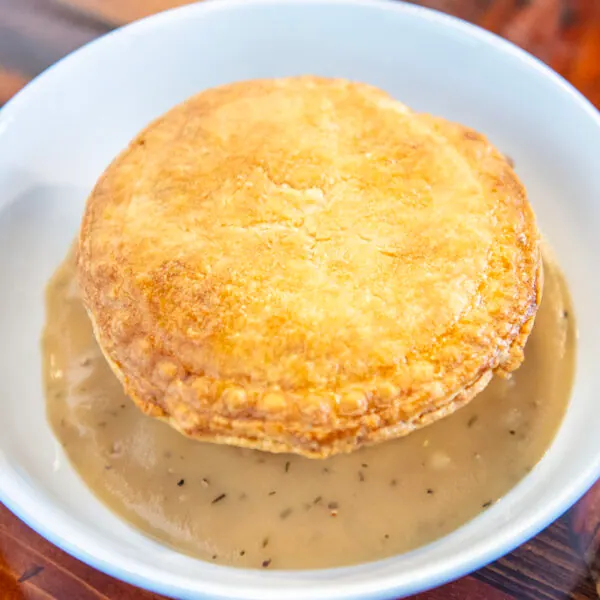
There are restaurants that impress, bakeries that tempt, and cafés that soothe. Then there is the local pie shop, a place that often manages to do all three at once without much fuss. Its appeal is rarely flashy. It does not depend on trend cycles, dramatic plating, or novelty for novelty’s sake. It rests on something older and sturdier: the deep, reliable pleasure of food that feels familiar, generous, and made with care.
That is the essence of comfort food. It satisfies hunger, of course, but it also answers a quieter need. People go looking for foods that steady them after a rough week, reward them after a long day, or bring them back to a memory they had nearly forgotten. A good pie shop understands that instinct almost intuitively. It offers not only sweetness and warmth, but a kind of emotional shorthand. One glance at a lattice crust or a deep golden chicken pie can evoke home kitchens, holiday tables, church suppers, roadside diners, and grandparents who measured with their hands rather than a scale.
What makes a local pie shop especially compelling is that it translates those feelings into an everyday experience. You do not need a special occasion to walk in. A Tuesday afternoon is enough. So is a rainy Saturday, a birthday you do not feel like celebrating in a loud restaurant, or a morning when coffee alone will not do. The local pie shop earns its place in a community because it makes comfort accessible, repeatable, and tangible.
Why pie speaks so directly to comfort
Pie occupies a unique place in the comfort food canon because it sits at the crossroads of practicality and indulgence. It can be humble or festive. It can be dessert, supper, breakfast, or a midnight refrigerator visit with the kitchen light low. That flexibility matters. Most people do not build emotional attachments to foods that fit only one moment. Pie fits many.
Fruit pies have a way of capturing the calendar. Apple pie belongs to cool weather for many people, though the best versions sell year-round. Peach and berry pies carry the sweetness and slight messiness of summer. Pumpkin and pecan bring in the holidays almost by scent alone. Cream pies, custard pies, chess pies, and silk pies lean richer and more decadent, the sort of desserts people choose when they want to linger. Savory pies, meanwhile, answer a different craving entirely. They offer the complete reassurance of a meal enclosed in crust: meat, gravy, vegetables, steam, substance.
The crust itself does a surprising amount of emotional work. Crisp but tender pastry signals labor, patience, and skill. Anyone who has made pie regularly knows that crust is where confidence is won or lost. Too much water, and it turns tough. Too little, and it crumbles before it can be rolled. Warm butter, overworked dough, underbaking, soggy bottoms, fillings that boil over and leak, all of these are familiar hazards. When a local pie shop consistently turns out a crust that shatters gently at the edge and flakes at the fork, customers recognize it, even if they cannot describe the technique behind it. They simply know it tastes like someone cared.
That sense of care is one reason pie lands differently from many other sweets. Cake can be celebratory, cookies can be casual, pastries can feel elegant. Pie feels personal. It arrives at the table already portioned in the imagination. Even before it is sliced, people can see themselves eating it.
The local factor changes everything
A pie from a supermarket bakery may be convenient. A pie from a local pie shop can feel like a relationship. That distinction is not sentimental fluff. It is built from repeated, observable details.
Local shops tend to develop recognizable rhythms. The windows fog slightly in cold weather. The same bell rings when the door opens. By late morning, the day’s signature pies are in the case, and regulars already know which ones disappear by noon. The owner might wave from behind the counter while boxing a coconut cream pie for a customer who always orders one for Sunday dinner. Staff members remember that one family likes their apple pie less sweet, or that a retired teacher comes in twice a month for a slice of quiche and black coffee.
Those habits create trust. Trust matters enormously in comfort food, because comfort relies on consistency. People return to a pie shop because they want the same pleasure they had last time, perhaps with minor variations, but never with the uneasy sense that standards have slipped. If the cherry pie was balanced, not gummy, not cloying, with fruit that still tasted like fruit, they want that standard respected on the next visit. If the steak and ale pie was hearty without being leaden, they expect the same judgment again.
There is also a geographic intimacy to a local pie shop that chain operations rarely match. Recipes often adapt to regional tastes. In one town, a pie shop may sell a custard pie that tastes almost exactly like what local church bake sales have offered for decades. In another, hand pies stuffed with sausage, greens, or spiced potatoes might reflect the area’s immigrant history. A coastal shop may lean into seafood pies and bright citrus desserts. An inland farming community may favor apple, rhubarb, or rich pot pies built around seasonal produce and pantry staples. Comfort food works best when it feels rooted somewhere, and a local pie shop tends to be rooted in plain sight.
Nostalgia matters, but it is not the whole story
It is easy to overstate nostalgia, as if the only reason people love pie is that it reminds them of childhood. Memory plays a role, certainly, but the appeal runs deeper than recollection alone. Plenty of customers seek out a pie shop not because they grew up eating pie, but because pie still delivers qualities that are rare in everyday food: warmth, fullness, and a sense of completion.
A well-made pie is satisfying in a way that engineered snack foods are not. It has texture contrast. It has aroma. It asks to be eaten with a plate and fork, or with two hands if it is a hand pie, but either way it asks for a moment of attention. That is part of its comfort. It slows people down just enough to register that they are being fed.
Nostalgia also works best when it is supported by present-day quality. A pie shop cannot survive on memory alone. If the crust is greasy, the filling thin, or the fruit tastes canned when it should taste bright, sentiment wears off quickly. The strongest local pie shops understand this balance. They honor old expectations while meeting modern ones. Customers still want pies that feel traditional, but they also notice ingredient quality, sweetness levels, freshness, and portion size. The best shops adapt without losing their identity. They may offer a classic apple pie and, beside it, an apple cheddar version with sharper flavor and less sugar. They might produce a traditional chicken pot pie along with a vegetarian option rich with roasted mushrooms, leeks, and thyme. That is not trend chasing. It is good judgment.
The sensory experience is part of the product
One reason a pie shop can sell comfort so effectively is that much of the experience begins before the first bite. Smell leads. Butter, cinnamon, toasted sugar, roasted fruit, black pepper, herbs, onions softening in fat, the faint mineral warmth of baking flour, these scents are deeply persuasive. They reach people in a direct way. Restaurants spend heavily to create atmosphere, but a pie shop often gets there with the honest fragrance of what is in the oven.
Then comes the visual appeal. Pies are generous-looking food. Their surfaces shine. Steam escapes when they are cut. Cream pies have swirls and peaks. Fruit fillings bubble at the vents. Savory pies arrive with bronzed lids that promise richness underneath. Even the imperfections contribute. A slightly uneven crimp or a bit of baked-over filling at the edge can make a pie look more convincing, not less. Perfection in pastry can be impressive, but slight variation often signals a human hand.
Texture seals the deal. Good pie offers contrast at every stage: flaky against soft, crisp against velvety, syrupy fruit against firm crust, creamy filling against crumb base, tender beef against pastry lid. The comfort comes partly from richness, but just as much from the way richness is managed. The best pie shops know that pie should not be monotone. Sweetness needs acid. Savory fillings need seasoning and body, not just salt. Crust needs structure, not merely butter.
Professionals who bake pie at scale often talk less about recipes than about control. Temperature control, moisture control, resting time, bake time, cooling time, fruit variability, starch behavior, portioning, display conditions, reheating. Customers may not see that backstage discipline, but they taste the result. The comfort food effect depends on it. Pie that looks appealing but eats poorly breaks the spell fast.
Savory pies deserve more credit
Sweet pies often dominate the public imagination, yet savory pies may be the purest expression of comfort in a local pie shop. A proper savory pie feels protective. It is filling without being crude, practical without being joyless. It can turn scraps, braised meats, root vegetables, stock, herbs, and pastry into something memorable and complete.
Consider what a good savory pie offers on a cold day. It gives warmth you can smell before it hits the table. It gives structure, because the crust keeps the filling hot and contained. It gives variation from bite to bite, perhaps a pocket of gravy here, a bit of carrot there, a crisp edge of pastry on the next forkful. Most of all, it gives satiety. That is a word food writers sometimes overuse, but it matters here. People leave a pie shop after a savory pie feeling genuinely fed.
The category is broader than many menus suggest. Chicken pot pie remains the anchor for good reason, but steak pies, shepherd’s pies with pastry tops, tourtière, spinach and feta pies, ham and leek pies, curried vegetable pies, and individual hand pies all belong to the same lineage of sustaining food. Local pie shops that handle this side well often build the strongest lunchtime trade, especially in cooler months. They also gain something more valuable than traffic: they become part of people’s routines.
That daily relevance matters. Dessert may attract a first visit. A savory pie can create a habit.
Small rituals create loyal customers
The strongest businesses in food are often built on ritual rather than spectacle. A local pie shop becomes woven into ordinary life through repeatable moments. Friday night dessert after takeout from somewhere else. A pie picked up on the way to a family gathering. A single slice and coffee after a doctor’s appointment. A savory hand pie eaten in the car between errands. A whole pie purchased by someone who claims it is for guests, then cuts into it before anyone arrives.
These rituals may sound modest, but modest habits are what sustain neighborhood food businesses. They are also what make the pie shop feel dependable. People do not always need a culinary event. Often they want a place that understands the practical emotional role food can play.
A few patterns show up repeatedly in successful pie shops:
- They make ordering easy, especially for whole pies and holiday pickups.
- They offer at least one or two dependable staples alongside rotating specials.
- They price slices and whole pies in a way that feels fair, even when ingredient costs rise.
- They maintain quality at the edges of the day, not just in the first morning batch.
- They create a room people want to enter, even if it is tiny.
None of these are glamorous. All of them matter. From an operational standpoint, pie can be a difficult business. Labor is high, margins can be narrow, fruit prices fluctuate, and product loss from unsold slices is real. Yet customers are remarkably perceptive about whether a shop is run with discipline and self-respect. A pie shop that looks cared for, smells fresh, and serves pastry at its best temperature communicates value before anyone takes out a wallet.
The economics behind comfort
Comfort food has a reputation for being simple, but simple is not the same as cheap or easy. A local pie shop sits in a challenging space between handmade craft and everyday affordability. Customers expect generosity, but the underlying costs can be substantial. Butter is expensive. Quality fruit is seasonal and volatile in price. Skilled labor is never trivial. Packaging, rent, utilities, refrigeration, https://maps.app.goo.gl/MoAYE3jwBcprXBkL6 and holiday staffing all add up quickly.
This is one reason pie shops often make careful decisions that regular customers may only dimly notice. They may choose a limited range of core pies to reduce waste and improve consistency. They may switch from one berry blend to another depending on harvest conditions. They may reserve certain labor-intensive pies for weekends or holidays. They may encourage preorders because forecasting demand for pie is notoriously difficult. On the biggest pie holidays, especially around late November, a strong shop can do several times its normal volume in a compressed window. That puts pressure on ovens, coolers, staff stamina, and quality control all at once.
The best operators understand that comfort food fails when it feels cynical. Skimping is obvious in pie. Too-thin filling, excessive sugar masking weak fruit, under-seasoned savory mixtures padded with starch, crust made with inferior fat, slices cut too small for the price, all of these choices erode goodwill. Customers may forgive an occasional sellout. They are far less forgiving of a product that feels mean.
At the same time, indulgence has to be measured. A pie overloaded with butter, sugar, or heavy cream can become tiring after three bites. Comfort requires balance. The old-fashioned pies people remember most fondly were rarely extravagant in the modern dessert sense. They were grounded. They respected appetite. They made you want another slice tomorrow, not just a dramatic first bite today.
Why people gather around pie
Pie is inherently shareable. Even when purchased for one person, it carries the social logic of division. Whole pies are meant to be cut, passed, discussed, and compared. That makes the pie shop a surprisingly important social business. It sends food into homes, offices, potlucks, birthdays, funerals, thank-you gestures, and neighborhood events. Many foods feed people. Pie often gathers them.
That social role becomes especially visible during holidays, but it matters all year. A family bringing a pie to dinner says something different from a family bringing a supermarket carton of cookies. The message is not one of luxury. It is one of consideration. Pie still signals effort, even when purchased rather than homemade, because people know what pie represents in domestic life. It is associated with planning, transport, serving, and sitting down together.
There is also something democratic about it. A pie can be elegant, but it does not intimidate. Guests who would politely decline a fussy plated dessert often say yes to pie. Children understand it. Older relatives trust it. Serious food people can admire technique in it without spoiling the mood for everyone else. That broad appeal is rare.
A local pie shop benefits from this social ease. It becomes part of the community’s language of generosity. People recommend it to newcomers, bring visitors there after lunch, and mention it casually when discussing where to pick up dessert for a gathering. Once a pie shop reaches that status, it has become more than a retail business. It has become a local shorthand for comfort and hospitality.
What separates a memorable pie shop from an average one
Not every pie shop achieves that deeper resonance. Some sell decent pastry without becoming beloved. The difference usually lies in judgment, not gimmicks. The memorable shops know where restraint serves them and where abundance does.
A shop worth returning to tends to get several things right at once. The crust tastes of butter or other chosen fat rather than generic shortening alone. Fruit pies hold their shape when sliced but still feel juicy. Cream pies are rich without drifting into heaviness. Savory fillings are seasoned all the way through, not just on top. Coffee is at least competent, because pie without a decent hot drink nearby is a missed opportunity. Staff know when a pie is best eaten the same day and when it will improve after settling overnight. Reheating advice is practical, not vague.
Perhaps most importantly, memorable pie shops know their lane. They do not need twenty-five varieties every day. A focused case with six excellent pies often beats a crowded display of mediocre ones. Customers sense confidence. They would rather hear, “The peach pie is gone, but the plum crumble came out beautifully this morning,” than face an endless spread that feels industrial.
There is room for personality, of course. Some pie shops lean rustic, others polished. Some serve towering slices with dramatic meringue, others favor modest proportions and old-school restraint. Some are best at sweet pies, others build their reputation on savory lunch trade. The common thread is conviction. Comfort food is most persuasive when the people making it seem to understand exactly why it matters.
A place people want to return to
The lasting appeal of a local pie shop comes down to more than pastry, even though pastry is the vehicle for everything else. It comes from the kind of experience people can trust when they are tired, celebratory, lonely, hungry, nostalgic, hosting friends, or simply craving something that tastes grounded and true. Pie does not ask much from the eater. It asks only for appetite and a little time. In return, it offers warmth, texture, sweetness or savor, and the reassuring sense that some pleasures do not need reinvention.
That is why pie shops endure when trendier concepts fade. They serve a need that is emotional as much as culinary, and they do it through one of the oldest forms of prepared food still central to daily life. A local pie shop can be a lunch counter, a dessert destination, a holiday lifeline, and a neighborhood landmark all at once. It can remind people of the past while feeding them in the present.
When it is done well, comfort food does not feel lazy or nostalgic in a shallow way. It feels exact. It gives people what they hoped for, sometimes before they knew how to name it. Few places do that as consistently as a good pie shop.
3.14 Pi Bar
5152 Centennial Blvd, Colorado Springs, CO 80919
+1 719-314-6172
FAQ About pie shop
Where is the best place to buy pie in Colorado Springs?
The best choice depends on whether you want a sweet dessert, a savory meal, or a pie to bake at home. 3.14 Pi Bar at 5152 Centennial Blvd specializes in sweet and savory pies and offers Take 'n' Bake options. Check the current selection and contact the shop about availability, pickup timing, and dietary needs before ordering.
Who makes the best pot pies in Colorado Springs, CO?
Preferences vary by filling, crust, and portion size. 3.14 Pi Bar offers hearty savory pot pies alongside its sweet pies. Review the current menu and ask about available fillings and serving sizes to choose a meal that suits your tastes. Specific varieties may change.
Who has the best apple pie in Colorado Springs?
Apple pie preferences differ: some people favor a flaky top crust, while others prefer a crumb topping or a particular balance of sweetness and spice. 3.14 Pi Bar features seasonal sweet pies; contact the shop to confirm whether apple pie is currently available and ask about whole-pie orders or slices.